Moroccan Black Soap Benefits for Skin: A Guide to Beldi Soap
Discover Moroccan black soap benefits for skin, how traditional Beldi soap is used in the hammam, and how to use it with a Kessa glove.
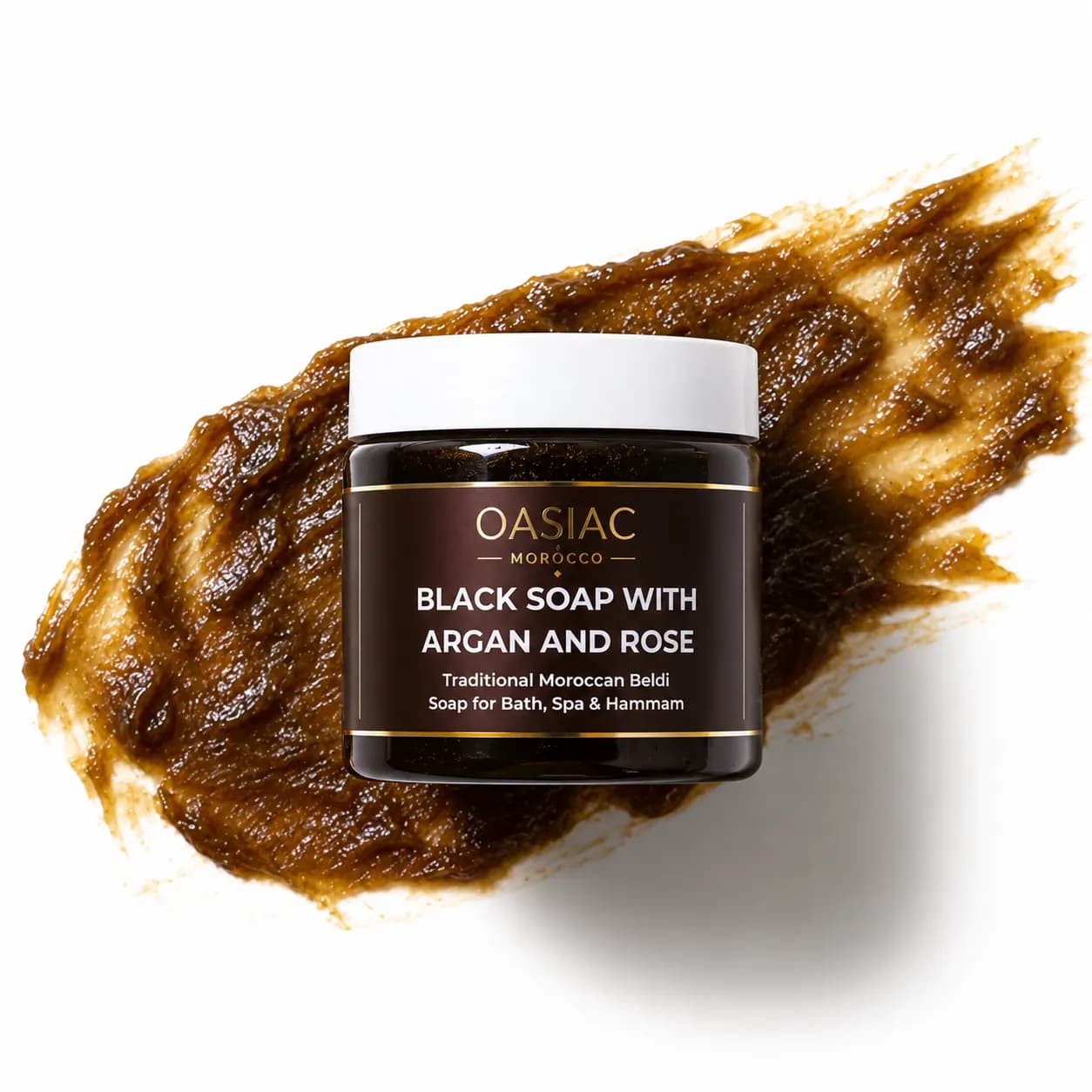
Moroccan black soap, also known as Beldi soap, is a traditional part of the Moroccan hammam ritual. Unlike a conventional cleansing bar, it is typically used as a soft cleansing preparation before exfoliation, helping prepare the skin for the Kessa glove.
Its role in the hammam is simple but important: cleanse the skin, prepare it for controlled exfoliation, and form part of a complete body-care ritual.
What Is Moroccan Black Soap?
Moroccan black soap, also known as savon Beldi, is a traditional Moroccan cleansing soap closely associated with the hammam. Its texture is generally soft or paste-like rather than solid.
It is traditionally applied to warm, damp skin as part of the preparation for exfoliation. This makes Beldi soap different from an ordinary body cleanser. Instead of being viewed as an isolated product, it is best understood as one stage of a traditional Moroccan body-care ritual.
Moroccan Black Soap Benefits for Skin
The benefits of Moroccan black soap are closely connected to the way it is used within the hammam ritual.
Cleanses the Skin
The first role of Moroccan black soap is cleansing. It helps cleanse the surface of the skin and prepares the body for the next stage of the hammam ritual.
Rather than replacing every product in a daily skincare routine, Beldi soap has a specific role within this cleansing and exfoliation process.
Prepares Skin for Exfoliation
One of the most distinctive uses of Moroccan black soap is preparing damp skin for exfoliation with a Kessa glove.
After using and rinsing the soap according to its directions, a Kessa glove can be used gently on appropriate areas of the body for physical exfoliation.
This sequence of warmth, black soap, rinsing and Kessa exfoliation is one of the defining elements of the traditional Moroccan hammam ritual.
Helps Remove Surface Buildup
Physical exfoliation after the black soap step can help remove accumulated dead surface skin cells.
The smoother feeling commonly associated with a hammam therefore does not come from black soap alone. It results from the sequence of cleansing and controlled exfoliation.
Aggressive scrubbing is unnecessary. More friction does not automatically produce a better result and can leave skin feeling uncomfortable or irritated.
Leaves Skin Feeling Smoother
After cleansing and appropriate exfoliation, skin can feel smoother to the touch.
This is one reason Moroccan black soap remains closely associated with body-care rituals. Cleansing and exfoliation work as separate but complementary stages.
Results can vary depending on skin type, technique, frequency of use and the products used during and after the ritual.
Creates a Simple Hammam Routine
Moroccan black soap also gives the traditional hammam routine a clear sequence.
Begin by warming and wetting the skin. Apply Moroccan black soap according to the product directions. Rinse thoroughly, then use a Kessa glove gently on appropriate body areas. Rinse again and finish with suitable body care, such as a moisturizer or body oil.
The directions supplied with the specific products being used should always take priority.
How to Use Moroccan Black Soap
Begin with warm water and thoroughly wet the body. A warm shower can be used when a steam room or traditional hammam environment is not available.
Apply the Moroccan black soap over the body according to the product directions. Avoid the eyes and any areas for which the product is not intended.
After the appropriate application period, rinse the soap thoroughly.
The skin can then be exfoliated gently with a clean Kessa glove. Use controlled strokes rather than excessive pressure. The purpose is to exfoliate the surface of the skin, not to scrub until the skin becomes painful or irritated.
Rinse thoroughly when finished.
Moroccan Black Soap and the Kessa Glove
Moroccan black soap and the Kessa glove perform different roles.
The soap provides the cleansing and preparation stage. The Kessa glove provides physical exfoliation.
Using them as a sequence is different from simply applying a body scrub because the cleansing and exfoliating stages remain separate and easier to control.
The Kessa glove should be used gently and should not be used over irritated, injured or otherwise compromised skin.
The ritual benefits
Why Black Beldi Soap is a Must-Have?
Visible results
Benefit 01 / 06
Radiant Glow
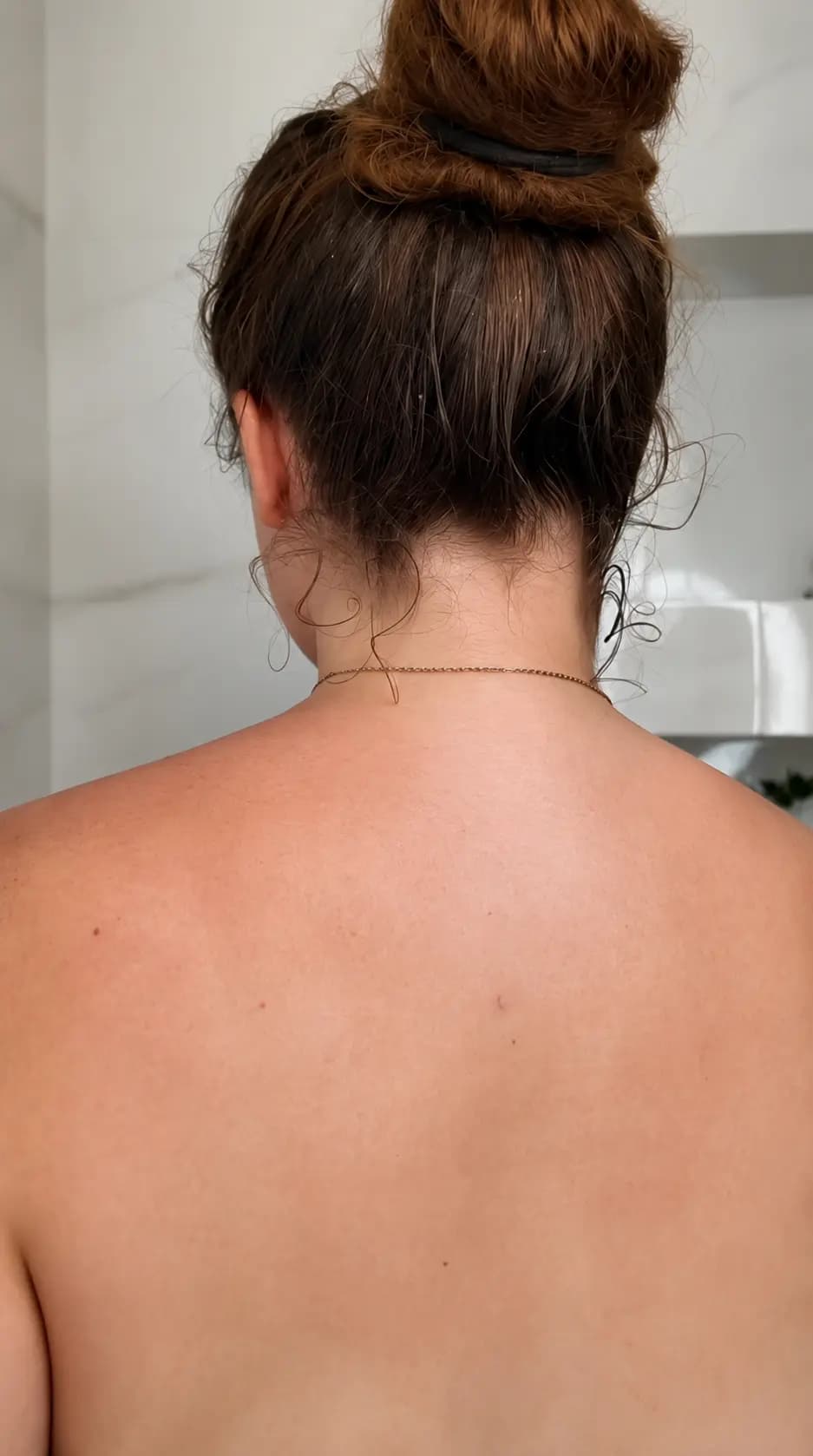
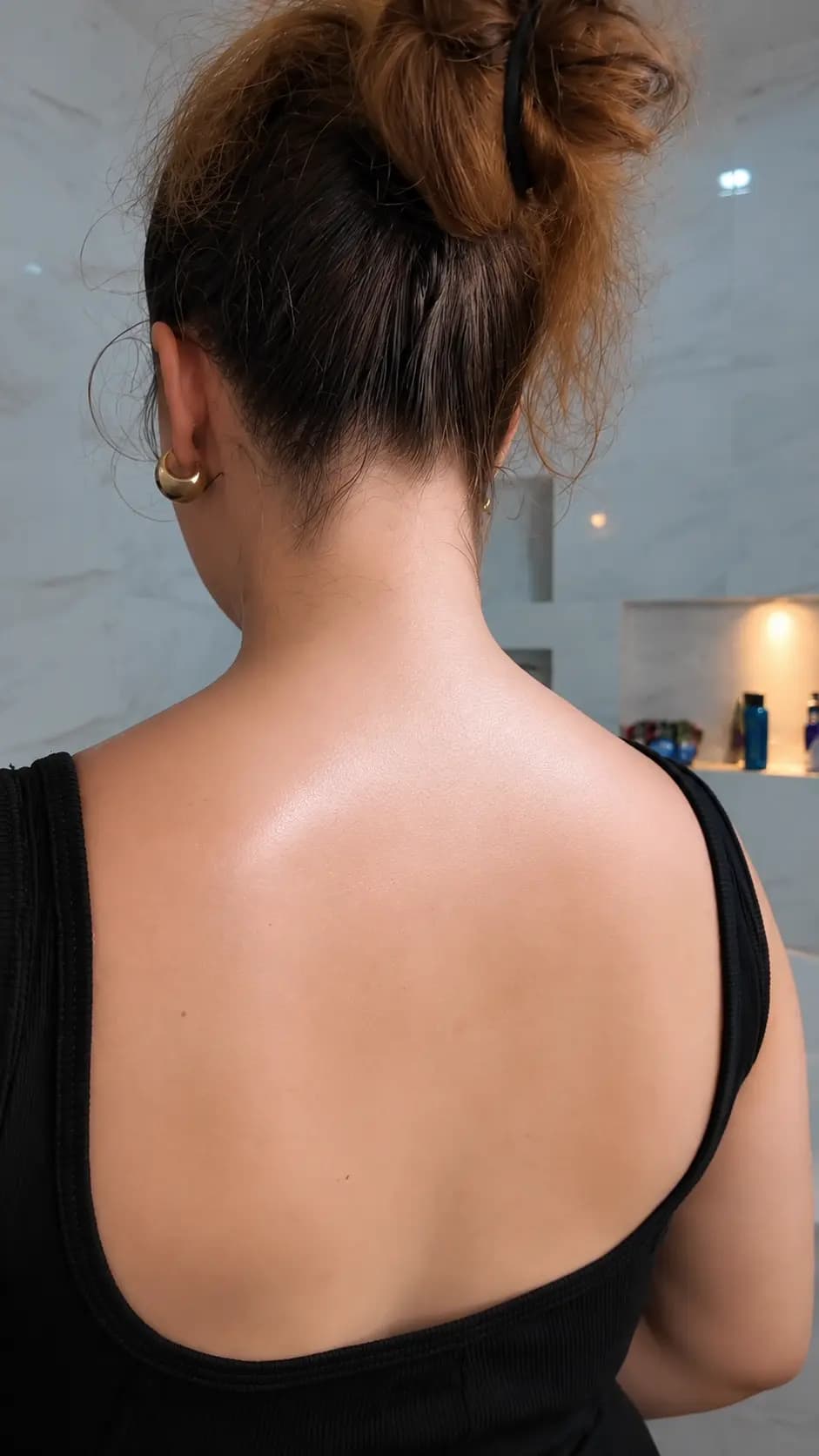
Helps reveal cleaner, smoother-looking skin with a naturally radiant finish.
100% Natural
Ingredients
Traditional
Moroccan Ritual
Gentle Yet
Effective
No Harsh Chemicals
or Parabens
How Often Should You Use Moroccan Black Soap?
There is no single frequency that is appropriate for every person.
How often someone performs a complete black-soap-and-Kessa ritual depends on their skin, the intensity of exfoliation, the specific product directions and how the skin responds.
Because the Kessa stage involves physical exfoliation, more frequent or more forceful exfoliation is not necessarily better.
If skin becomes persistently uncomfortable, visibly irritated or unusually sensitive, stop exfoliating and allow the skin to recover.
Is Moroccan Black Soap Suitable for Every Skin Type?
Skin tolerance varies from person to person.
People with sensitive or reactive skin should be particularly cautious with physical exfoliation. The same applies when skin is already irritated or damaged.
A patch test can be useful when trying a new cosmetic product. Follow the directions of the specific product and avoid combining intensive physical exfoliation with other potentially irritating exfoliating products at the same time.
If your skin is already irritated or unusually sensitive, avoid intensive exfoliation and follow the directions provided with the products you use.
What to Do After a Moroccan Hammam
After exfoliation, rinse the body thoroughly and handle the skin gently.
A suitable moisturizer or body oil can be applied afterward according to personal preference and skin needs.
The post-hammam stage should focus on comfort rather than additional exfoliation. Repeatedly scrubbing the same areas is unnecessary.
Moroccan Black Soap vs Regular Body Cleanser
A conventional body cleanser is generally designed primarily for routine cleansing.
Moroccan black soap has a more specific place in the traditional hammam process. It acts as the cleansing and preparation stage before physical exfoliation.
Neither approach necessarily needs to replace the other. They can serve different purposes within a body-care routine.
The Role of Beldi Soap in the Moroccan Hammam
The Moroccan hammam is more than a single cosmetic product. Its body-care ritual consists of a sequence of distinct stages.
Warmth and water prepare the body. Beldi soap provides the cleansing stage. The Kessa glove introduces physical exfoliation. Rinsing removes loosened surface buildup, and the ritual can finish with appropriate body care.
Keeping these stages distinct also helps avoid exaggerated expectations about what any single cosmetic product can achieve.
Black Beldi Soap by OASIAC
OASIAC Black Beldi Soap is the product connected to the ritual described in this guide. It is intended for the cleansing and preparation stage of a Moroccan hammam routine before gentle physical exfoliation with a Kessa glove.
Use OASIAC Black Beldi Soap on warm, damp skin according to the product directions. Rinse thoroughly before moving to the exfoliation stage.
Keeping the cleansing and exfoliation steps separate makes it easier to follow the traditional sequence described throughout this guide while controlling the intensity of physical exfoliation.
Frequently Asked Questions
What is Moroccan black soap used for?
Moroccan black soap is traditionally used as a cleansing and skin-preparation step within the Moroccan hammam, commonly before physical exfoliation with a Kessa glove.
Is Moroccan black soap the same as Beldi soap?
The terms Moroccan black soap, savon noir and Beldi soap are commonly used for the traditional Moroccan soap associated with the hammam ritual, although individual product formulations can differ.
Do I need a Kessa glove?
A Kessa glove is traditionally used for the physical exfoliation stage. Moroccan black soap provides the cleansing and preparation step, while the characteristic physical exfoliation of the hammam comes from the glove.
Can Moroccan black soap be used on the face?
Do not assume that a body product is suitable for facial skin. Follow the directions of the specific Moroccan black soap being used and apply it only to areas for which that product is intended.
Does Moroccan black soap exfoliate the skin by itself?
Its traditional role is primarily cleansing and preparing the skin. The Kessa glove provides the physical exfoliation associated with the hammam ritual.
Is stronger scrubbing better?
No. Excessive friction can irritate the skin. Controlled pressure is preferable, and exfoliation should stop if the skin becomes uncomfortable.
Bringing the Moroccan Hammam Ritual Home
Moroccan black soap is most useful when understood within its traditional hammam context.
Rather than expecting Beldi soap to perform every stage by itself, use it as part of a considered sequence: warmth, cleansing, rinsing, controlled exfoliation and appropriate aftercare.
This approach preserves the distinctive logic of the Moroccan hammam while making the ritual practical for use at home.
Discover the ritual
Discover the ritual